Furniture delivery and full moving are not the same service
Furniture delivery and full moving both involve trucks, labor, and scheduling, but they solve different problems. Furniture delivery is usually built around pickup, transport, and placement for one item or a small number of large pieces. Full moving is built around relocating a residence, which means broader coordination, more handling, and more time.
This is where people get stuck. A couch pickup, a treadmill headed to a basement, and a one-bedroom apartment move can all sound like “moving help,” but they are scoped very differently. At Express Movers, this is a common point of confusion for customers trying to match the job to the right level of service.
If the job is misclassified at the start, crew size, timing, access planning, and equipment needs may not match the work. That often leads to a harder move day than expected.
What furniture delivery usually includes
- Pickup from a store, warehouse, seller, or second location
- Transport of a single item or a few bulky pieces
- Loading, unloading, and room-of-choice placement when included
- In some cases, light add-ons such as packaging removal or limited assembly
Furniture delivery is usually the best fit when the job is specific and contained. A sofa from a furniture store, a dresser from Facebook Marketplace, or a mattress going to a new address usually falls into this category if access is straightforward.
What full moving usually includes
- Transport of furniture, boxes, and household contents together
- Coordination across multiple rooms or an entire residence
- More planning around timing, inventory, access, and protection
- Disassembly and reassembly when the move calls for it
Full moving is not just delivery with more items. Once there are boxes, multiple rooms, building access issues, and a move from one living space to another, the service usually needs more structure.
That distinction matters because a move is generally defined by coordination, not just volume. A smaller apartment move still tends to need moving-level planning if the whole home is changing locations.
When furniture delivery makes the most sense
Furniture delivery makes the most sense when the job is centered on a specific item or a few large pieces rather than a household relocation. The scope is tighter, the logistics are more focused, and the handling plan usually revolves around access and placement rather than full-home coordination.
A common assumption is that delivery only applies to curbside drop-off. In practice, many delivery jobs include carrying the item inside and placing it where it belongs. That is where the details start to matter.
One item or a small number of large pieces
If the job involves a couch, dresser, mattress, dining table, or appliance, furniture delivery is usually the more practical option. The work is centered on getting a limited number of large items from one place to another without treating the job like a full residential move.
This changes when the item itself creates moving-level difficulty. A sectional that has to be maneuvered through a narrow stairwell or a large dresser going up multiple flights is still a small-item-count job, but the labor is no longer simple. This is where problems start when people assume one item always means an easy job.
Store pickup or marketplace pickup
Store pickup and marketplace pickup are some of the clearest delivery use cases. The item already exists, the destination is known, and the main question is how to get it picked up, transported, and placed safely.
What often gets overlooked is the pickup side. Seller timing, loading conditions, item dimensions, and access at the delivery address affect whether the job stays a straightforward delivery or becomes more involved. A sofa from a showroom is very different from a used treadmill in a basement with a tight turn at the stairs.
In-home placement for heavy items
Delivery is often the right fit when the main challenge is not the drive itself, but getting the item safely inside and into position. This includes upstairs bedroom furniture, oversized recliners, and basement treadmill placement.
This is also where basic delivery language starts to break down. If the item is heavy, awkward, or going through difficult access points, the job may shift toward heavier planning. Readers comparing options for these types of jobs may also find it helpful to review furniture movers in Denver for situations where placement and protection matter more than simple transport.
When a full moving service is the better choice
Full moving is generally the better choice when the job involves relocating part or all of a home. Once furniture, boxes, room-by-room loading, timing, and access coordination are involved, the job has usually moved beyond delivery.
This often becomes clear after the first few details are listed out. What sounded like a small move can turn out to involve building access timing, several packed rooms, multiple furniture pieces, and a destination that also needs unloading and placement. At that point, the work is better understood as a moving project rather than a delivery job.
Apartment, condo, or full-home relocation
If you are moving from one address to another, full moving is usually the right category even if the space is not large. Apartments and condos add their own access issues, including elevators, loading areas, stairs, entry timing, and building rules.
This is something that gets underestimated in Denver moves. The apartment itself may be small, but the coordination is not. For readers preparing for that kind of move, this small apartment moving checklist in Denver helps show how quickly the scope expands beyond a simple pickup-and-dropoff job.
Multiple rooms, boxed items, and furniture
Once boxes and room-by-room contents enter the picture, the service fit changes. Full moving is designed for mixed inventory, not just a few oversized items. That means the planning has to account for loading order, protection, handling time, and what goes where at the destination.
If this is handled like a delivery job, the mismatch usually shows up in timing first. Loading can take longer, unloading can take longer, and the crew may need a different plan than the one originally assumed.
Jobs with more coordination, time, or protection needs
- Disassembly and reassembly
- Protective wrapping for multiple items
- Multiple stops or storage transfers
- Longer scheduling windows and more inventory management
These are all signs the job is leaning toward full moving. The more coordination required, the less useful a narrow delivery setup becomes.
The details that can change the right answer
Most delivery-versus-movers decisions are not decided by item count alone. They are usually decided by access, dimensions, weight, fragility, and how many steps are involved between pickup and final placement.
This is where the real scope becomes visible. A single-item job can become labor-heavy very quickly, and a few large pieces can stay manageable if access is easy. The details are what separate a simple delivery from a more demanding move.
Stairs, elevators, and narrow doorways
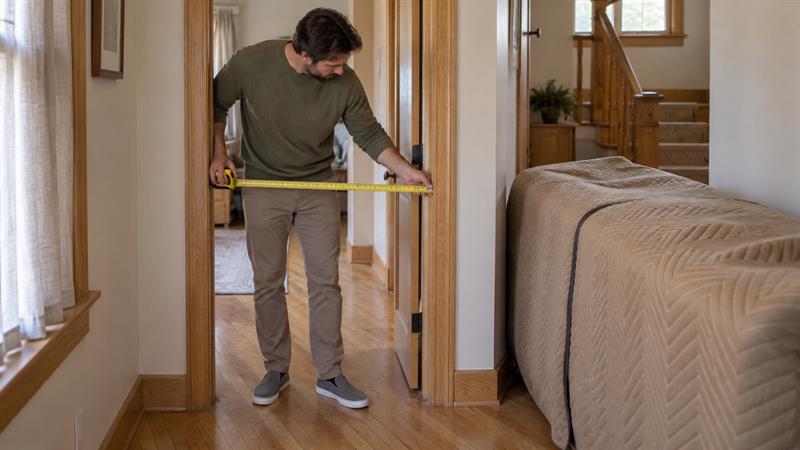
Access is one of the biggest decision drivers. Upper-floor apartments, basement placement, older homes, tight corners, and narrow hallways change how the job needs to be handled.
Problems usually grow when the access issue is discovered too late. What looked like a quick delivery can become a slower, more protective move with extra maneuvering and more risk to walls, floors, and the item itself. If you are planning a move within the metro area, how to plan a local move within Metro Denver gives helpful context on access and timing issues that affect move-day execution.
Weight, fragility, and awkward shapes
Treadmills, sectionals, large dressers, appliances, and oversized mirrors create a different kind of job than standard furniture pieces. These items are harder to carry, harder to turn, and harder to protect when the route is tight.
A common pattern is that the customer focuses on the number of items while the real issue is the shape or weight of one difficult piece. If one oversized item controls the route, the labor and handling requirements usually matter more than the item count.
Multiple stops, assembly, and packaging removal
Extra stops, disassembly, reassembly, packaging removal, or haul-away all push the job further from basic delivery. Each added step changes the time, labor, and workflow.
This is where a bundled-service approach becomes useful. For example, if a new item is being delivered and old material or unwanted furniture also needs to leave, the job stops being a simple transport task. It becomes a multi-part service visit.
The right service choice becomes clearer when these signs are present:
- The item has to go up or down stairs
- The route includes tight landings, hallways, or doorways
- The job includes more than one stop or more than one type of task
- The item is heavy enough that one difficult piece controls the whole plan
If several of these apply, the job usually needs more than a basic delivery setup because the scope is already more complex.
How pricing typically differs between furniture delivery and movers
Furniture delivery pricing is usually shaped by the item count, travel distance, access, and how difficult the placement is. Moving pricing is usually shaped by the total scope of the relocation, including inventory, time, crew needs, access conditions, and coordination.
The key difference is not just size. It is how much work surrounds the transport itself. A one-item delivery with difficult stairs and tight turns can require more labor than a larger but simpler job.
What affects quote scope
- How many items are involved
- The size and weight of those items
- Floor level and building access
- The distance and number of stops
- Whether the job is a full residence relocation
The more accurate the details, the more accurate the scope is likely to be. Missing information often leads to mismatched expectations because the work is not what it first appeared to be.
Why a “small” job can still require movers
A job stays small only if the handling stays simple. Once the item is extremely heavy, the route is difficult, or the work includes several rooms or stops, the job starts demanding moving-level labor.
This can create a service mismatch when the work is framed around item count instead of actual complexity. A treadmill to a basement, a sectional through a tight stairwell, or several large pieces headed into storage may still sound limited, but the planning says otherwise.
Common Denver scenarios and which option usually fits best
These examples show how the decision usually plays out in real residential situations. In most cases, delivery fits contained item-based jobs, while movers fit relocation and coordination-heavy jobs.
Buying a couch from a store
This is usually a furniture delivery job if the work involves pickup, transport, and placement in the home. If the entry path is simple, the scope usually stays straightforward.
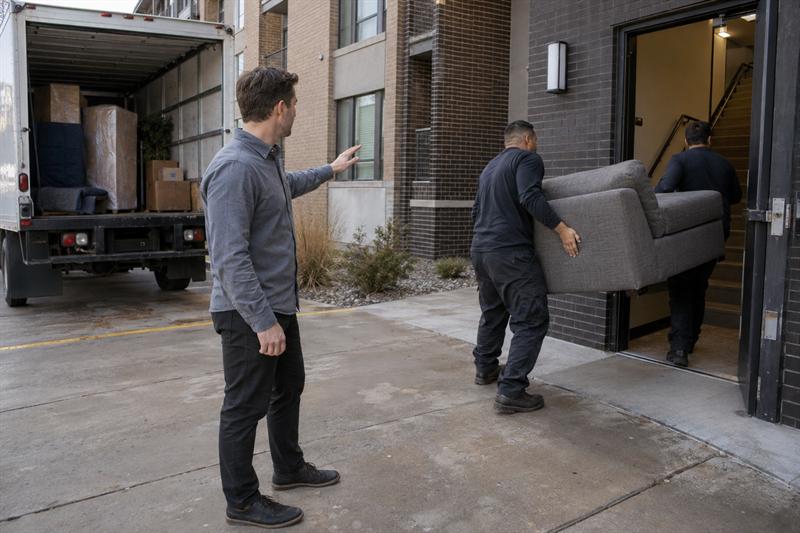
The job changes when the couch has to navigate stairs, a tight doorway, or limited turning space. That is where delivery starts requiring more planning and more labor than people expect.
Moving a treadmill to a basement
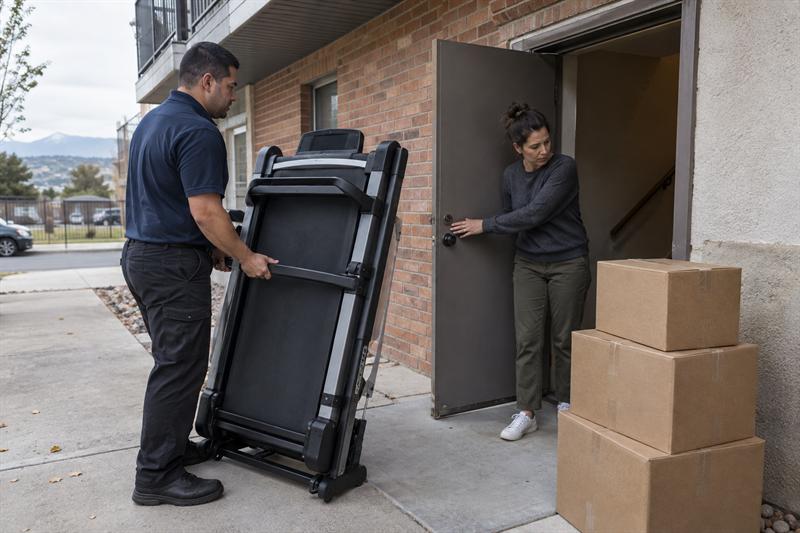
This is one of the clearest gray-area examples. It starts as a one-item job, but it often becomes a heavy-lifting move because of the weight, awkward shape, and stair access.
This is where problems start if the job is treated like standard delivery. The item controls the route, the pace, and the handling plan. In cases like this, the bigger challenge is usually safe placement, not transport alone.
Relocating from one apartment to another
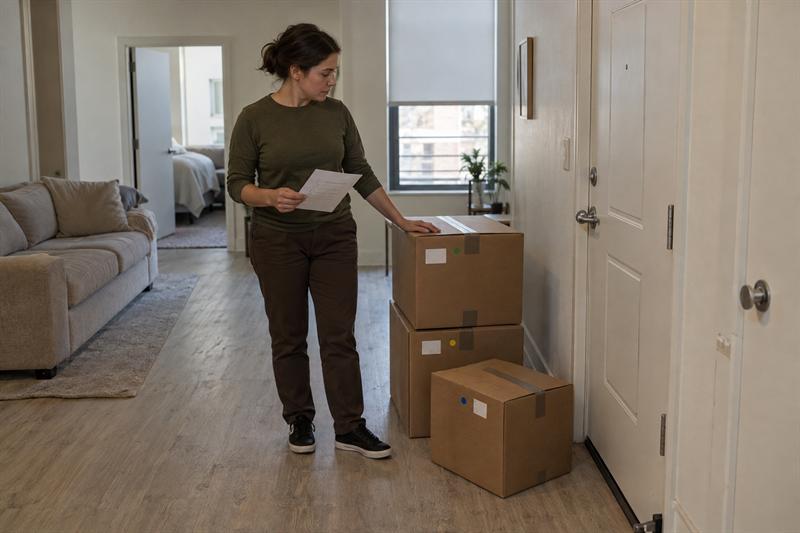
This is usually a full moving job, even if the apartment is small. Once the move includes boxes, furniture, loading, unloading, building access, and timing, the service fit shifts clearly toward movers.
This usually gets misunderstood because the customer sees a smaller home and assumes a smaller category of service. In practice, the coordination is what defines the job.
Moving a few large items into storage
This can go either way depending on how ready the items are, how difficult the access is, and whether the job involves more than transport. If the pieces are packed, accessible, and limited in number, delivery may fit well.
If the job includes difficult loading conditions, multiple heavy items, or extra handling at either end, it starts leaning toward moving support. The number of items matters less than how much work it takes to get them in and out.
How to request the right quote the first time
The fastest way to get the right quote is to describe the actual work, not just the general idea of the job. Most scope problems begin when key details are left out at the start.
At Express Movers, jobs that sound simple often become clearer once access, floor level, or item dimensions are reviewed. A better description usually leads to a better service match.
Information to share before booking
- The pickup and delivery addresses
- What the items are and how many there are
- Photos or dimensions for large or unusual pieces
- Floor level, stairs, elevator access, and tight turns
- Preferred timing and any special handling concerns
This information matters because it tells the real story of the job. A couch going into a first-floor room and the same couch going through more difficult access are not the same quote.
Signs you may need more than delivery
- The item is extremely heavy or awkward
- It needs to go upstairs, downstairs, or through tight access points
- The job includes several items or several rooms
- The work involves moving from one residence to another
If you are seeing these signs, the job usually needs more planning than a basic delivery setup provides. That is where choosing movers instead of simple delivery can help prevent the scope from breaking down later.
Key Takeaways
- Furniture delivery is usually the right fit for one item or a few bulky pieces.
- Full moving is usually the better fit for apartment, condo, and household relocations.
- Access, stairs, weight, and awkward dimensions are what most often change the right answer.
- A small job can still require movers when the handling is difficult.
- Accurate quotes depend on accurate job details, especially dimensions, floor level, and access conditions.
Conclusion
The real issue is not choosing between two similar services. It is recognizing when a job that sounds simple is actually more complex because of access, weight, layout, or relocation scope. If that is not addressed properly at the start, the job can turn into a mismatch between the quote, the labor, and the plan.
That is why the next step should be practical and specific. If the work involves a single item, a few bulky pieces, heavy in-home placement, or a full apartment or home move, Express Movers can help sort the job into the right service from the beginning. That can lead to a clearer quote, a better plan, and fewer move-day surprises.
For readers comparing providers before booking, what to look for in a Denver moving company is a useful next step. If you are ready to move forward, use the Express Movers contact page to request the right quote for your move or delivery.
Company Approach
Express Movers approaches delivery and moving as different scopes of work, not interchangeable labels. That matters because many residential jobs in Denver sit in the middle. A couch pickup may stay a delivery job, while a treadmill to a basement or a few large items going into storage may require heavier planning.
The practical advantage is that the job can be matched to what it actually requires. When service scope is clear from the start, scheduling, labor, and handling tend to line up better with the work itself. That is especially important for local moves, furniture placement, and jobs where access conditions are what really drive the difficulty.
FAQ
Is furniture delivery cheaper than hiring movers?
Usually, yes, when the job is limited to one item or a few bulky pieces. Delivery is narrower in scope because it focuses on pickup, transport, unloading, and placement rather than relocating a whole living space.
The part people miss is that complexity changes the equation quickly. A single treadmill down basement stairs or a sectional through a narrow hallway can require more labor than a larger but simpler job, so the real driver is not just item count. It is how difficult the work is once the item reaches the property.
Can movers handle just one piece of furniture?
Yes. Movers can handle one piece of furniture, especially when that piece is oversized, heavy, fragile, or difficult to place safely.
A dresser from a local seller going straight into a first-floor room may fit cleanly as a delivery job. A single oversized item that has to go up stairs, around tight turns, or through narrow access usually leans more toward moving-style labor. The difference is not the number of pieces. It is the amount of coordination and handling the piece requires.
What counts as a full move instead of a delivery job?
A full move usually means transferring part or all of a household from one address to another. Once the job includes multiple rooms, furniture, boxes, and building access coordination, it has moved beyond delivery.
This is why even a small apartment move is usually still a moving job. The space may be compact, but the work includes loading a residence, moving its contents, and setting up at another address. That is a different scope than bringing home a couch or picking up a mattress.
Is a treadmill or heavy item considered delivery or moving?
It can be either, but heavy items are where the distinction becomes most important. If the work is a straightforward one-item transport with easy access, delivery may fit. If the item is heavy, awkward, or headed through stairs, tight corners, or basement access, it usually starts functioning more like a heavy-lifting move.
Treadmills are a good example because the job sounds small even when the handling is not. One difficult item can control the entire plan, which means the service category should be based on the labor and route, not just the item count.
What information should I give for an accurate moving or delivery quote?
Start with what the item is, how many items there are, where they are being picked up, and where they are going. Then add the details that change labor, such as stairs, elevators, narrow hallways, sharp turns, and floor level.
Photos and dimensions are especially useful for oversized or awkward pieces. A couch going into a first-floor room is very different from the same couch going through more difficult access. The more specific the access and item details are, the more closely the quote will reflect the actual work.
Do I need movers if I’m only relocating a small apartment?
Usually, yes. A small apartment move is still typically a moving job because it involves relocating a residence, not just transporting a few standalone items.
This is one of the most common misunderstandings. The apartment may be small, but once the move includes boxes, furniture, building access, loading, unloading, and room-to-room placement, the work has already moved into full-moving territory.